
Understanding Symptoms of Menopause
What Every Woman Should Know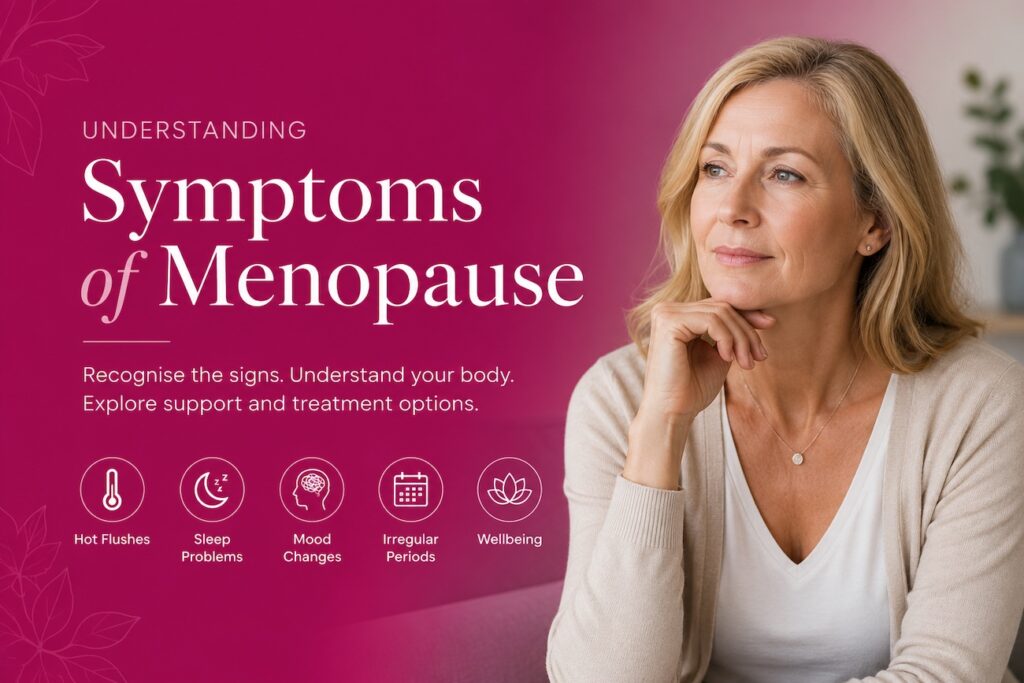
Menopause is a natural stage of life, but the symptoms can feel confusing, disruptive, and at times overwhelming. Many women notice changes in their body during their 40s and early 50s without immediately realising that fluctuating hormone levels may be the cause.
From irregular periods and hot flushes to anxiety, sleep problems, and brain fog, menopause symptoms can affect physical health, emotional wellbeing, relationships, and confidence. Understanding what is happening in your body can help you seek the right support early and manage symptoms more effectively.
If you are experiencing unusual changes to your menstrual cycle or ongoing symptoms affecting your quality of life, speaking with an experienced gynaecologist can provide reassurance and personalised advice.
What Is Menopause?
Menopause occurs when the ovaries gradually produce lower levels of oestrogen and progesterone, eventually leading to the end of menstrual periods. In the UK, the average age of menopause is around 51, although symptoms often begin several years earlier during perimenopause.
Perimenopause is the transitional stage before menopause and is commonly when symptoms first appear. Some women experience mild symptoms, while others may find the effects significantly impact daily life.
A woman is considered menopausal after going 12 consecutive months without a period.
Common Symptoms of Menopause
Every woman experiences menopause differently, but common symptoms include:
Irregular Periods
Changes to menstrual cycles are often one of the earliest signs. Periods may become heavier, lighter, closer together, or less frequent.
Women over 40 experiencing changes in their cycle should not ignore persistent irregular bleeding, particularly if periods become unusually heavy or prolonged. Further assessment may sometimes be needed to rule out other gynaecological conditions.
For more information, read this guide:
Hot Flushes and Night Sweats
Hot flushes are among the most recognised menopause symptoms. Women may experience sudden feelings of heat, sweating, facial flushing, and discomfort that can last several minutes.
Night sweats can disturb sleep and contribute to fatigue and irritability.
Sleep Problems
Hormonal changes frequently affect sleep quality. Many women report difficulty falling asleep, waking during the night, or feeling exhausted despite a full night in bed.
Poor sleep can also worsen anxiety, mood swings, and concentration difficulties.
Mood Changes and Anxiety
Lower hormone levels can affect emotional wellbeing. Symptoms may include:
- Increased anxiety
- Irritability
- Low mood
- Reduced confidence
- Emotional sensitivity
Women with no previous history of anxiety may suddenly notice changes during perimenopause.
Brain Fog and Memory Problems
Difficulty concentrating, forgetfulness, and mental fatigue are commonly reported during menopause. While often temporary, these symptoms can affect work performance and daily life.
Vaginal Dryness and Reduced Libido
Lower oestrogen levels may lead to vaginal dryness, discomfort during intimacy, and changes in sexual desire. These symptoms are common and treatable, yet many women feel uncomfortable discussing them.
Joint Pain and Muscle Aches
Some women experience stiffness, joint discomfort, or muscle aches during menopause due to hormonal fluctuations affecting inflammation and tissue health.
When Should You See a Gynaecologist?
While menopause is natural, some symptoms should be professionally assessed, particularly:
- Very heavy bleeding
- Bleeding after sex
- Bleeding after menopause
- Severe pelvic pain
- Significant mood changes
- Symptoms affecting daily life or relationships
An experienced private gynaecologist can assess symptoms, review hormone-related concerns, and discuss appropriate investigations or treatment options.
Women seeking specialist menopause support in London may benefit from consulting:
Menopause Treatment Options
Treatment depends on the severity of symptoms, medical history, and personal preferences.
- Hormone Replacement Therapy (HRT)
- Lifestyle and dietary advice
- Non-hormonal medications
- Vaginal oestrogen treatments
- Cognitive behavioural support
- Exercise and weight management guidance
A personalised approach is important, as no single treatment suits everyone.
Choosing the Right Gynaecologist
Many women prefer seeing an experienced private specialist for faster appointments, continuity of care, and personalised menopause management.
If you are based in Essex or Greater London, these resources may help you find reputable specialists:
Lifestyle Changes That May Help Menopause Symptoms
Simple lifestyle adjustments can support overall wellbeing during menopause:
While lifestyle changes may not eliminate symptoms completely, they can often improve energy, mood, and long-term health.
Related Women's Health Articles
Frequently Asked Questions About Menopause
What age does menopause usually start?
Most women in the UK experience menopause between 45 and 55, although perimenopause symptoms can begin earlier.
Can menopause cause anxiety?
Yes. Hormonal fluctuations during perimenopause and menopause can contribute to anxiety, mood changes, and emotional symptoms.
Are irregular periods normal during menopause?
Irregular periods are common during perimenopause, but persistent heavy or unusual bleeding should always be assessed by a doctor.
How long do menopause symptoms last?
Symptoms vary significantly. Some women experience symptoms for a few years, while others may continue to notice effects for longer.
Is HRT safe?
Hormone Replacement Therapy is safe and effective for many women, but suitability depends on individual health factors. A specialist consultation can help determine the most appropriate treatment.
Final Thoughts
Menopause can affect women physically, emotionally, and mentally, but you do not have to manage symptoms alone. Early advice and appropriate treatment can make a significant difference to quality of life.
If you are concerned about menopause symptoms, irregular bleeding, or hormonal changes, consulting an experienced gynaecologist can help you understand your options and feel more in control of your health.