
Early Signs of PCOS Most Women Ignore
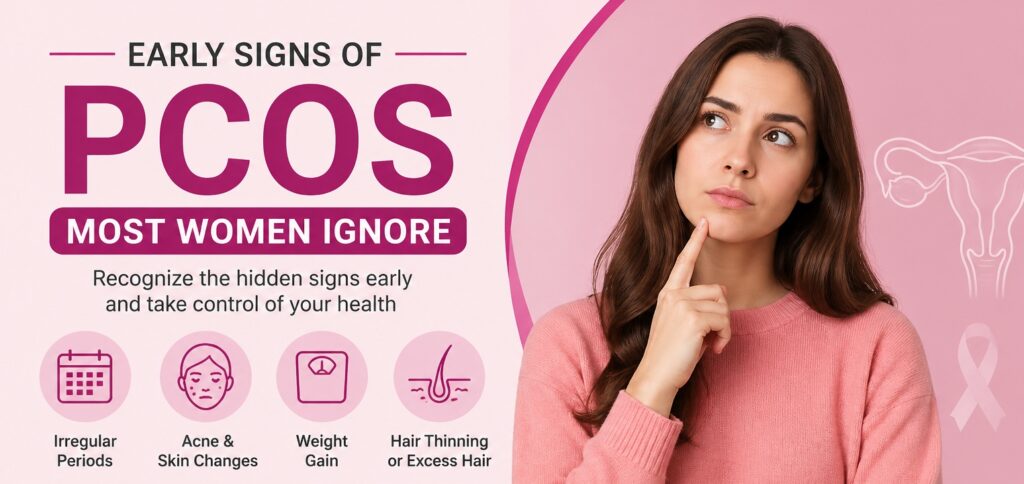
Many women live with symptoms of Polycystic Ovary Syndrome (PCOS) for years before receiving a diagnosis. The condition often develops gradually, meaning early warning signs can be easy to dismiss as stress, hormonal changes, or lifestyle issues.
PCOS is one of the most common hormonal disorders affecting women of reproductive age. It can impact periods, fertility, skin, weight, and emotional wellbeing.
Recognising the early symptoms of PCOS can help women seek treatment earlier, reduce complications, and improve long-term health.
Early Signs of PCOS Most Women Ignore
Many women live with symptoms of Polycystic Ovary Syndrome (PCOS) for years before receiving a diagnosis. The condition often develops gradually, meaning early warning signs can be easy to dismiss as stress, hormonal changes, or lifestyle issues.
PCOS is one of the most common hormonal disorders affecting women of reproductive age. It can impact periods, fertility, skin, weight, and emotional wellbeing. Recognising these signs early is the first step in our annual health checklist.
What Is PCOS?
Polycystic Ovary Syndrome (PCOS) is a hormonal condition that affects how the ovaries work. Women with PCOS may have:
- • Irregular ovulation
- • Higher androgen levels
- • Small ovarian cysts
- • Hormonal imbalance
Read more in our full guide: Understanding PCOS: Symptoms, Tests and Treatment Options.
10 Early Signs to Watch For
1. Irregular Periods
Inconsistent periods are often dismissed as stress. However, cycles longer than 35 days or missing periods for months may indicate irregular ovulation. Related reading: When to see a doctor for heavy periods.
2. Persistent Adult Acne
PCOS acne typically appears around the jawline and chin and is often cystic or painful, resisting standard skincare.
3. Unexpected Weight Gain
Connected to insulin resistance, weight often accumulates around the abdomen. While homemade drinks can support wellness, PCOS requires a metabolic strategy.
4. Excess Hair Growth (Hirsutism)
Increased facial or body hair (chin, upper lip, chest) is a direct result of elevated male hormones.
5. Hair Thinning
While body hair increases, scalp hair may thin at the crown, resembling female pattern thinning.
6. Difficulty Getting Pregnant
PCOS is a leading cause of infertility. If you are struggling, knowing when to see a fertility specialist is vital.
7. Mood Changes and Anxiety
Hormonal imbalance affects the brain, leading to sleep disturbances and increased stress sensitivity.
8. Skin Changes (Dark Patches)
Known as acanthosis nigricans, these dark velvety patches appear around the neck or underarms.
9. Chronic Fatigue
Hormonal disruption and insulin resistance can leave you feeling persistently drained.
10. Recurrent Miscarriage
Underlying PCOS can increase the risk of pregnancy loss. Explore our resources on recurrent miscarriage causes and pregnancy after miscarriage.
Frequently Asked Questions about PCOS
What are the first signs of PCOS? +
Can you have PCOS without cysts? +
At what age does PCOS usually start? +
Is PCOS linked to fertility problems? +
Can PCOS symptoms improve naturally? +
🩺 Specialist Clinical Resource
For a deeper clinical perspective and advanced diagnostic details, we recommend the specialist guide from Harley Street Gynaecology. Their resources provide expert insights into the long-term management of Polycystic Ovary Syndrome (PCOS) within a private clinical setting in London.
View Clinical PCOS Information on Harley Street Gynaecology →