
Why Are Period Cramps Worse in Winter? Causes & Relief
Winter Period Cramps | Understanding the Causes and How to Find Relief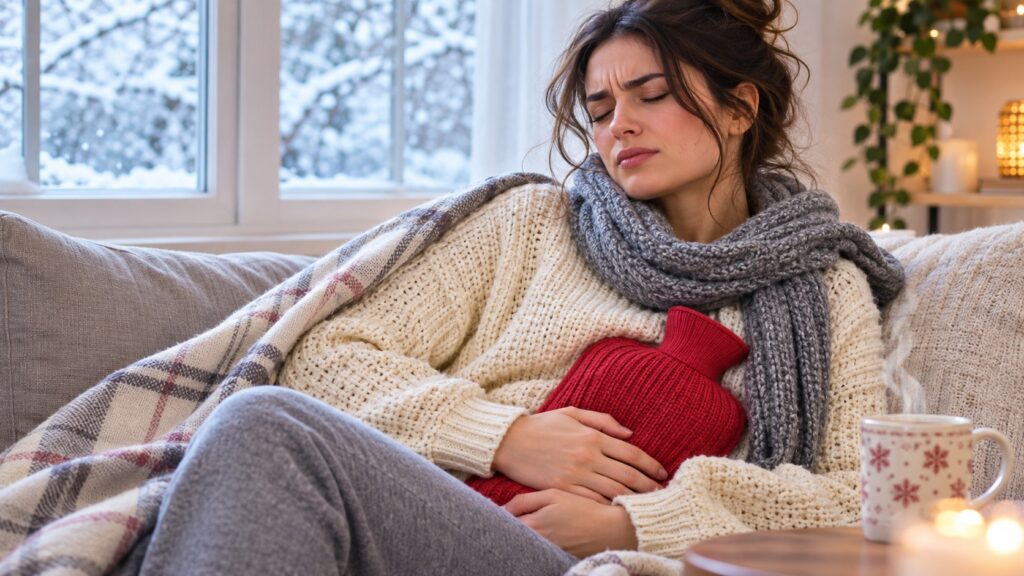
Menopause is a natural stage of life, but the symptoms can feel confusing, disruptive, and at times overwhelming. Many women notice changes in their body during their 40s and early 50s without immediately realising that fluctuating hormone levels may be the cause.
From irregular periods and hot flushes to anxiety, sleep problems, and brain fog, menopause symptoms can affect physical health, emotional wellbeing, relationships, and confidence. Understanding what is happening in your body can help you seek the right support early and manage symptoms more effectively.
If you are experiencing unusual changes to your menstrual cycle or ongoing symptoms affecting your quality of life, speaking with an experienced gynaecologist can provide reassurance and personalised advice.
Does Cold Weather Make Period Cramps Worse?
The relationship between cold weather and menstrual pain is not yet fully understood.
There is currently no strong scientific evidence that seasonal changes alone directly increase menstrual cramps. However, some research has investigated whether exposure to cold temperatures may be associated with more severe menstrual discomfort.
A 2024 study published in the journal Environmental Research investigated cold exposure and dysmenorrhoea (painful periods) among Asian and non-Asian women. It identified some associations between cold exposure and menstrual pain, although the findings were not consistent across all groups.
This suggests that cold exposure may influence how some women experience menstrual discomfort, but more research is needed before a direct cause-and-effect relationship can be established.
Researchers at University College London have also highlighted that symptoms women associate with winter, including tiredness, poor concentration and low energy, may sometimes be linked to iron deficiency, particularly in those experiencing heavy periods.
Therefore, if your periods seem more difficult during winter, several factors may be contributing to how you feel.
6 Possible Reasons Your Period Cramps Feel Worse in Winter
REASON 011. Cold Temperatures and Muscle Tension
When temperatures fall, the body naturally responds by conserving heat. Cold conditions can cause muscles to tighten, and some people experience increased muscular discomfort.
During menstruation, the uterus contracts to help shed its lining. These contractions are responsible for the familiar cramping sensation in the lower abdomen, which can sometimes spread to the lower back and thighs.
Although there is insufficient evidence that cold weather directly increases uterine contractions, feeling physically tense or uncomfortable during colder weather may make existing period pain more noticeable.
2. Reduced Physical Activity During Winter
Shorter days, colder temperatures and wet weather can make outdoor activities less appealing.
You may find yourself spending more time indoors, sitting for longer periods and exercising less frequently.
Regular physical activity can help some women manage menstrual pain. Gentle exercise encourages circulation, releases natural pain-relieving chemicals called endorphins and may help relax tense muscles.
When your usual activity levels decrease during winter, you may find it harder to manage some menstrual symptoms.
You do not necessarily need an intense workout. A short walk, gentle stretching, yoga or light indoor exercise can be helpful.
REASON 033. Changes in Mood, Stress and Sleep
Winter can affect emotional wellbeing. Reduced daylight, disrupted routines, work pressures and seasonal changes may contribute to stress, low mood and sleep difficulties.
These factors can influence how your body experiences pain.
Poor sleep may make it more difficult to cope with physical discomfort, while stress can contribute to muscle tension and make existing symptoms feel more challenging.
Some women also experience premenstrual syndrome (PMS), which can involve mood changes, irritability, tiredness, bloating and abdominal discomfort.
If you notice that your mood and physical symptoms change before your period, read our related guide on premenstrual syndrome (PMS).
4. Iron Deficiency and Heavy Periods
Iron deficiency is an important issue to consider, particularly if you experience heavy menstrual bleeding.
Your body needs iron to produce haemoglobin, the protein in red blood cells that carries oxygen around the body.
When you lose significant amounts of blood during menstruation, your iron levels may gradually become depleted. This can lead to iron-deficiency anaemia.
Common symptoms include:
- Persistent tiredness and fatigue
- Feeling cold more frequently
- Dizziness or light-headedness
- Shortness of breath
- Headaches
- Difficulty concentrating
- Noticeable weakness
These symptoms can sometimes become more noticeable during winter, when people are already experiencing lower energy levels.
If you have heavy periods alongside persistent tiredness, speak to your GP. A blood test may be recommended to check your full blood count and iron status.
Do not assume that feeling unusually exhausted during your period is simply part of your menstrual cycle.
REASON 055. Changes in Eating Habits and Daily Routines
Winter can bring changes to eating habits, hydration and everyday routines.
Some people drink less water during colder months because they do not feel as thirsty. Others may become less active or experience changes in appetite.
Although there is no established evidence that eating or drinking cold foods directly causes painful periods, maintaining a balanced diet and staying hydrated can support general health and wellbeing.
Consider including:
- Iron-rich foods such as lean meat, beans, lentils and leafy green vegetables.
- Vitamin C-rich foods such as oranges, berries and peppers, which help the body absorb iron from plant-based foods.
- Whole grains and fibre-rich foods to support digestive health.
- Adequate fluids throughout the day.
A balanced diet will not necessarily prevent menstrual cramps, but it can help support your overall health.
REASON 066. An Existing Gynaecological Condition
Sometimes, what feels like worsening winter period pain may actually be an underlying gynaecological condition that needs medical attention.
Common causes of secondary dysmenorrhoea (painful periods caused by an underlying condition) include:
Endometriosis
Endometriosis occurs when tissue similar to the lining of the womb grows elsewhere in the body. It can cause significant menstrual pain, pelvic discomfort, painful sex and sometimes difficulties becoming pregnant.
Adenomyosis
Adenomyosis develops when tissue similar to the womb lining grows into the muscular wall of the uterus. It can cause painful periods, heavy bleeding and pelvic discomfort.
Uterine fibroids
Fibroids are non-cancerous growths that develop in or around the uterus. Depending on their size and location, they may contribute to heavy periods, pelvic pressure and menstrual pain.
Pelvic inflammatory disease (PID)
This is an infection affecting the female reproductive organs, including the uterus, fallopian tubes and ovaries. Symptoms may include pelvic pain, unusual vaginal discharge, fever and pain during sex.
Important: These conditions are not caused by winter weather. However, they may explain why menstrual pain is becoming more severe or persistent.
How to Relieve Period Cramps During Winter
If your menstrual discomfort feels more noticeable during colder months, a few practical measures may help.
RELIEF METHOD 011. Use a Hot Water Bottle or Heat Pad
Applying gentle heat to your lower abdomen or back is one of the simplest ways to manage period cramps.
Heat may help relax muscles and ease discomfort.
You can try:
- A hot water bottle wrapped in a towel.
- A suitable heat pad.
- A warm bath or shower.
- Gentle warmth applied to your lower back.
Avoid placing very hot objects directly against your skin, and follow the manufacturer's safety instructions when using electric heat pads.
RELIEF METHOD 022. Keep Moving with Gentle Exercise
Although resting may feel more appealing when you are experiencing cramps, gentle movement can sometimes help.
Consider trying:
- Walking indoors or outdoors.
- Gentle yoga.
- Stretching exercises.
- Swimming in a comfortably heated pool.
- Light cycling.
Listen to your body and avoid activities that make your pain worse.
RELIEF METHOD 033. Maintain a Balanced Diet
Eating regular, balanced meals can help maintain energy levels and support general wellbeing.
Include foods containing iron, vitamin C, protein and fibre.
If you experience heavy menstrual bleeding or symptoms of iron deficiency, ask your GP whether blood tests are appropriate before starting iron supplements.
4. Prioritise Sleep and Relaxation
Getting enough sleep is important for managing discomfort and supporting emotional wellbeing.
Try to maintain a consistent bedtime, reduce screen use before sleeping and create a comfortable sleeping environment.
Relaxation techniques such as breathing exercises, meditation and gentle yoga may also help you cope with menstrual discomfort.
RELIEF METHOD 055. Consider Appropriate Pain Relief
Over-the-counter pain relief may help with menstrual cramps.
Non-steroidal anti-inflammatory drugs (NSAIDs), such as ibuprofen, can reduce the production of prostaglandins, which are chemicals responsible for stimulating uterine contractions.
Paracetamol may also help with pain.
However, NSAIDs are not suitable for everyone, particularly people with certain stomach, kidney, liver or cardiovascular conditions, or those taking specific medicines. Ask a pharmacist or GP if you are unsure which pain relief is appropriate.
If you regularly need painkillers to manage severe cramps, it is worth discussing your symptoms with a healthcare professional rather than simply treating the pain every month.
When Should You See a Gynaecologist About Period Pain?
Period discomfort is common, but severe or worsening pain should not be dismissed as a normal part of menstruation.
You should consider speaking to your GP or a gynaecologist if:
- Your period cramps are becoming progressively more painful.
- Painkillers no longer provide adequate relief.
- Menstrual pain regularly affects your work, education or everyday activities.
- Your periods have become unusually heavy or irregular.
- You experience pelvic pain between periods.
- You have pain during sexual intercourse.
- You experience pain when urinating or passing stools during your period.
- You notice bleeding between periods.
When to seek urgent help: If pelvic or period pain is severe or worse than usual and painkillers have not helped, seek urgent advice through NHS 111.
Sudden severe pelvic pain, particularly if pregnancy is possible, also requires urgent medical assessment.
A gynaecologist can review your symptoms, menstrual history and medical background. Depending on your circumstances, investigations may include a pelvic examination, ultrasound scan or other appropriate tests.
Experiencing Persistent or Unexplained Period Pain?
Do not ignore ongoing menstrual discomfort. A specialist assessment can help identify possible causes and determine the most appropriate next steps for your menstrual health.
Learn more about consulting a private gynaecologist in London.
Understanding Your Menstrual Cycle: Do Not Ignore Changes
Your menstrual cycle can change throughout your life. Hormonal fluctuations, age, stress, lifestyle changes and certain medical conditions may influence the timing, duration and intensity of your periods.
For example, women approaching their 40s may notice changes in menstrual bleeding and cycle regularity as they move towards perimenopause.
However, increasingly painful periods should not automatically be attributed to age or seasonal changes.
If you have noticed changes in your menstrual pattern, our related article explains more about irregular periods after 40.
Keep a Menstrual Diary
Keeping a menstrual diary can also help you identify patterns. Record:
- The first and last day of each period.
- How heavy your bleeding is.
- The severity and location of cramps.
- Any associated symptoms, such as bloating or headaches.
- Pain relief or treatments you have used.
- Whether symptoms interfere with your daily routine.
This information can be useful when discussing your symptoms with your GP or gynaecologist.
Final Thoughts: Do Not Let Winter Period Pain Affect Your Quality of Life
It is understandable to notice that your period symptoms feel more difficult during winter. Cold temperatures, reduced physical activity, changes in sleep and mood, and existing health issues may all contribute to how comfortable you feel during menstruation.
However, there is no conclusive evidence that winter itself directly makes menstrual cramps worse.
The most important thing is to understand your own menstrual health and recognise when changes may need medical attention.
Simple measures such as applying gentle heat, staying active, eating a balanced diet and getting sufficient rest may help manage discomfort.
But if your period pain is severe, getting progressively worse or interfering with everyday life, seek medical advice. You do not have to accept debilitating period pain as something you simply have to live with.
Frequently Asked Questions (FAQs)
1. Why do my period cramps feel worse in winter?
Some women report more noticeable menstrual discomfort during winter. Possible contributing factors include reduced physical activity, muscle tension, changes in sleep and mood, and existing health conditions. However, scientific evidence that winter itself directly worsens period cramps remains limited.
2. Can cold weather cause painful periods?
Cold weather is not an established direct cause of painful periods. Some research has investigated associations between cold exposure and menstrual discomfort, but further studies are needed to understand the relationship.
3. Does keeping your stomach warm help period cramps?
Yes, applying gentle heat to your lower abdomen may help relieve menstrual discomfort. A warm bath, heat pad or hot water bottle wrapped in a towel may help relax muscles and ease cramps.
4. Is it normal to have more period pain during winter?
Menstrual symptoms can vary from month to month, and some women may notice increased discomfort during winter. However, persistent or worsening pain should not automatically be attributed to colder weather. It is important to investigate significant changes in menstrual pain.
5. Can lack of exercise make period cramps worse?
Regular physical activity may help some women manage menstrual discomfort. Reduced activity during winter may mean missing out on these potential benefits. Gentle exercise, walking and yoga may help improve comfort.
6. Can low iron levels make period symptoms worse?
Iron deficiency can cause fatigue, weakness, dizziness and difficulty concentrating. Women with heavy menstrual bleeding are at increased risk of iron deficiency. If you experience these symptoms, speak to your GP about appropriate blood tests.
7. When should I worry about period cramps?
You should seek medical advice if your cramps are becoming more painful, affecting your daily activities, not responding to pain relief or accompanied by heavy bleeding, irregular periods or pain between periods. Severe or unusual pelvic pain requires urgent assessment.